Category: Recipes

  • Recipe: Holy Basil Pesto

    Recipe: Holy Basil Pesto

     For book club this month I read Adaptogens: Herbs for Strength, Stamina, and Stress Relief by David Winston and Steven Maimes, which was a pretty interested read. According to the authors, the three things that are key in an herb being considered an “adaptogen” is that it is 1) Tonic – can be taken daily long term without causing harm, 2) Have a non-specific response in the body, and 3) have a normalizing influence. Read… things that can be incorporated into your diet because they are generally considered food – like astragalus in soup and holy basil in… everything!

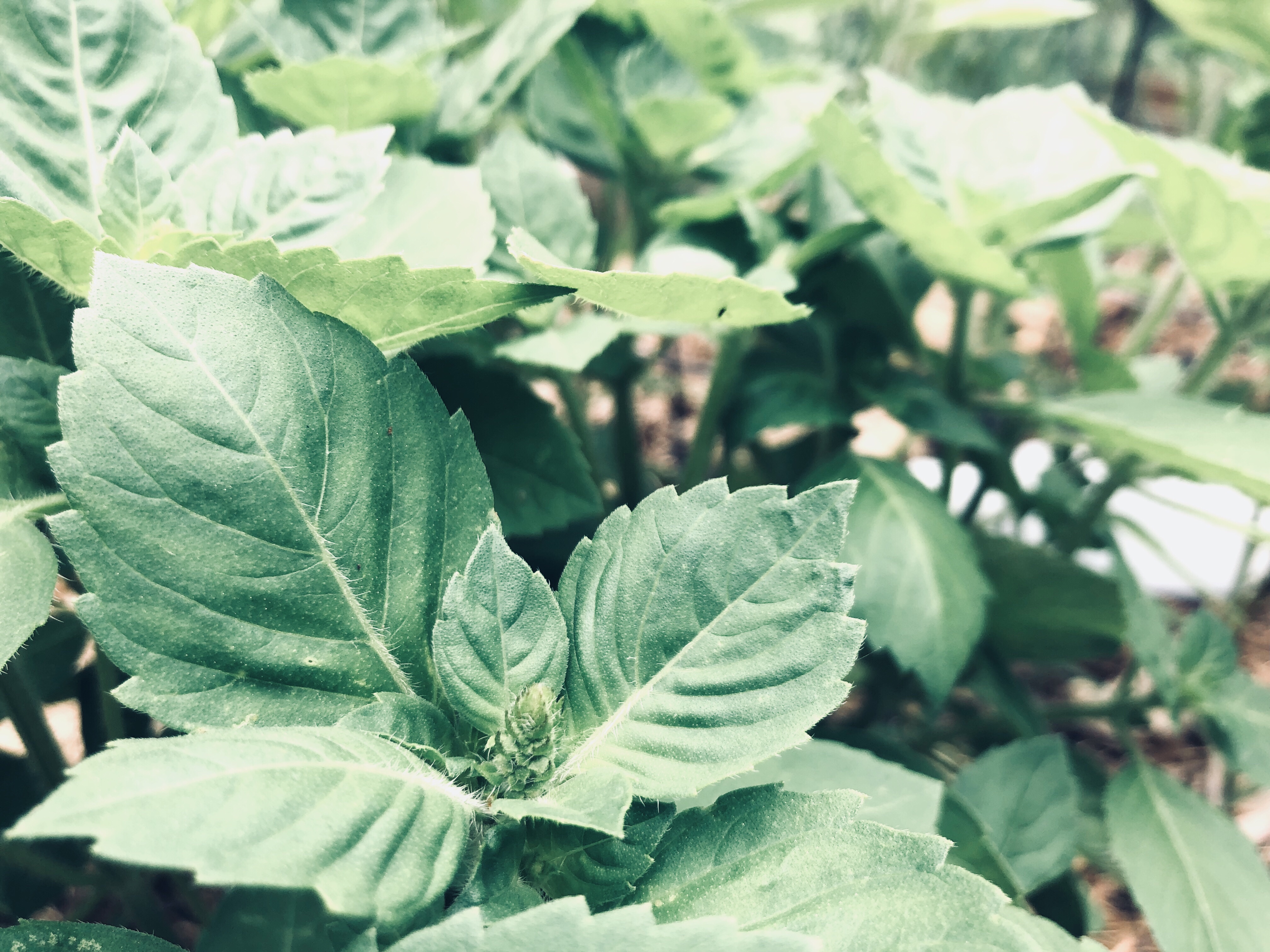
    It’s mainly re-affirmed my love affair with Holy Basil, which is growing in a large leafy bush in my garden this summer.
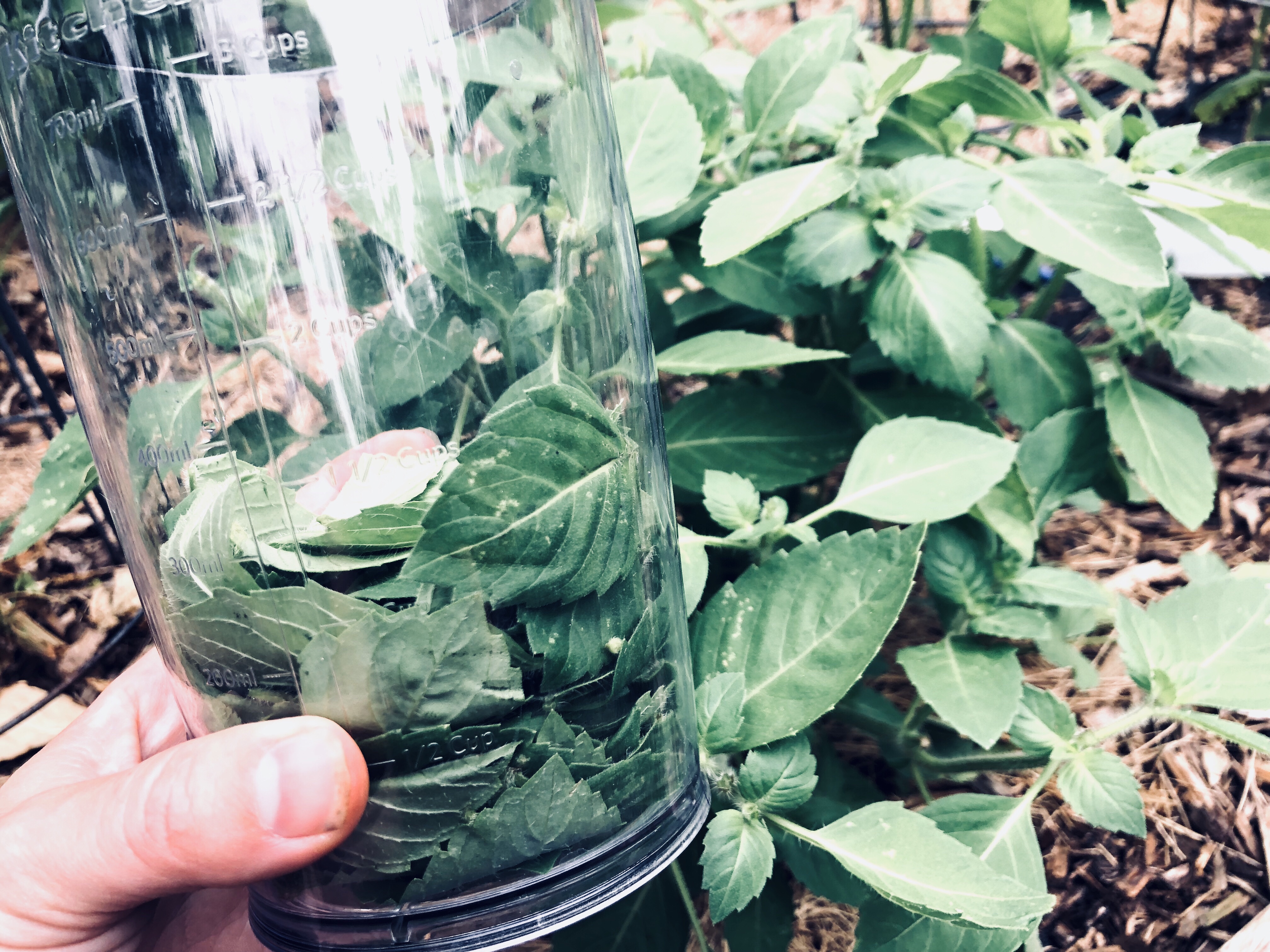
    Last month we decided we would continue our potluck style book club so I headed to the garden and harvested a bunch of holy basil to try my hand at making it into a pesto. I read as many blog posts and recipes on the topic as I could find, weirdly only about four… maybe my search terms were off.
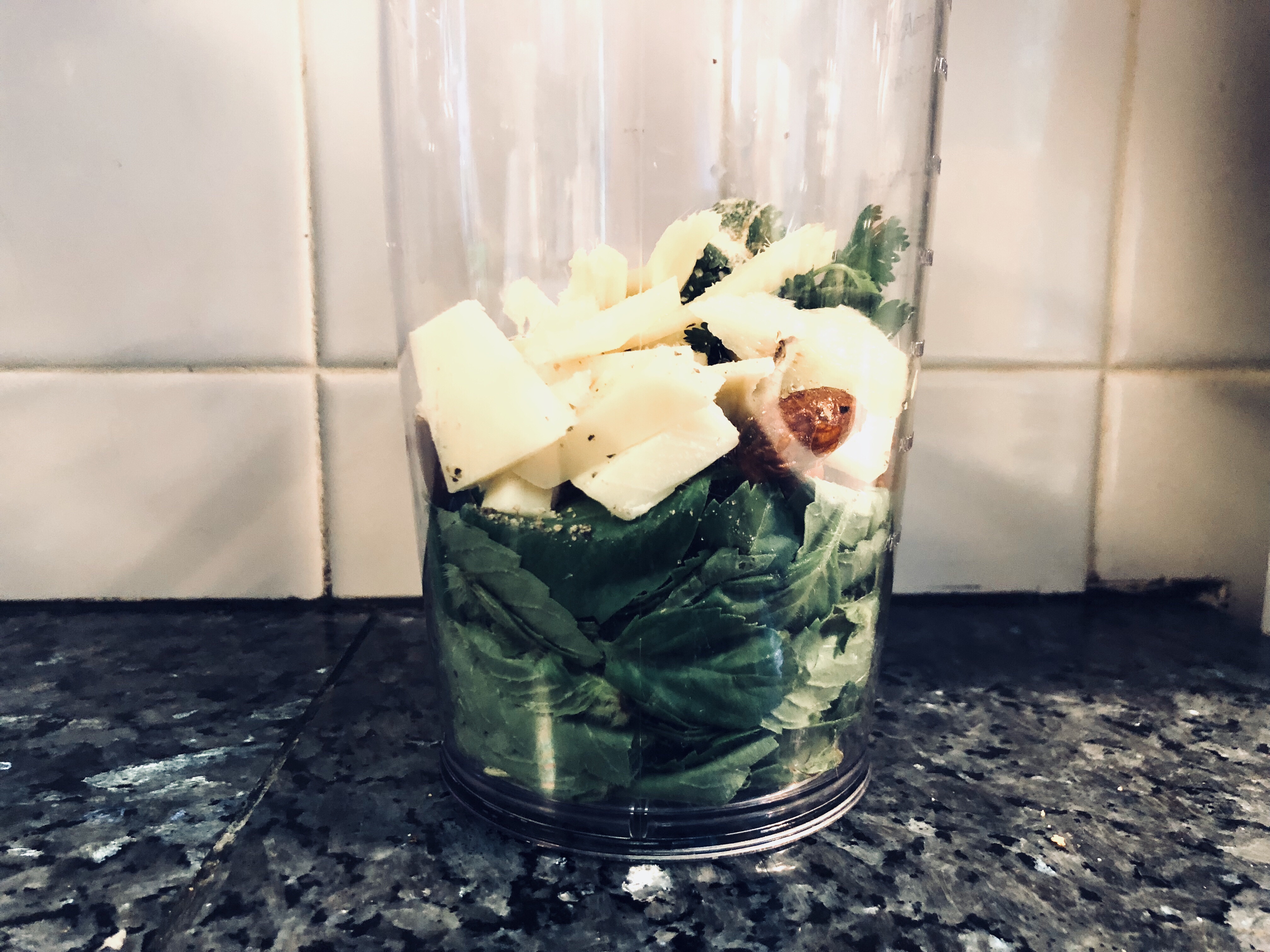
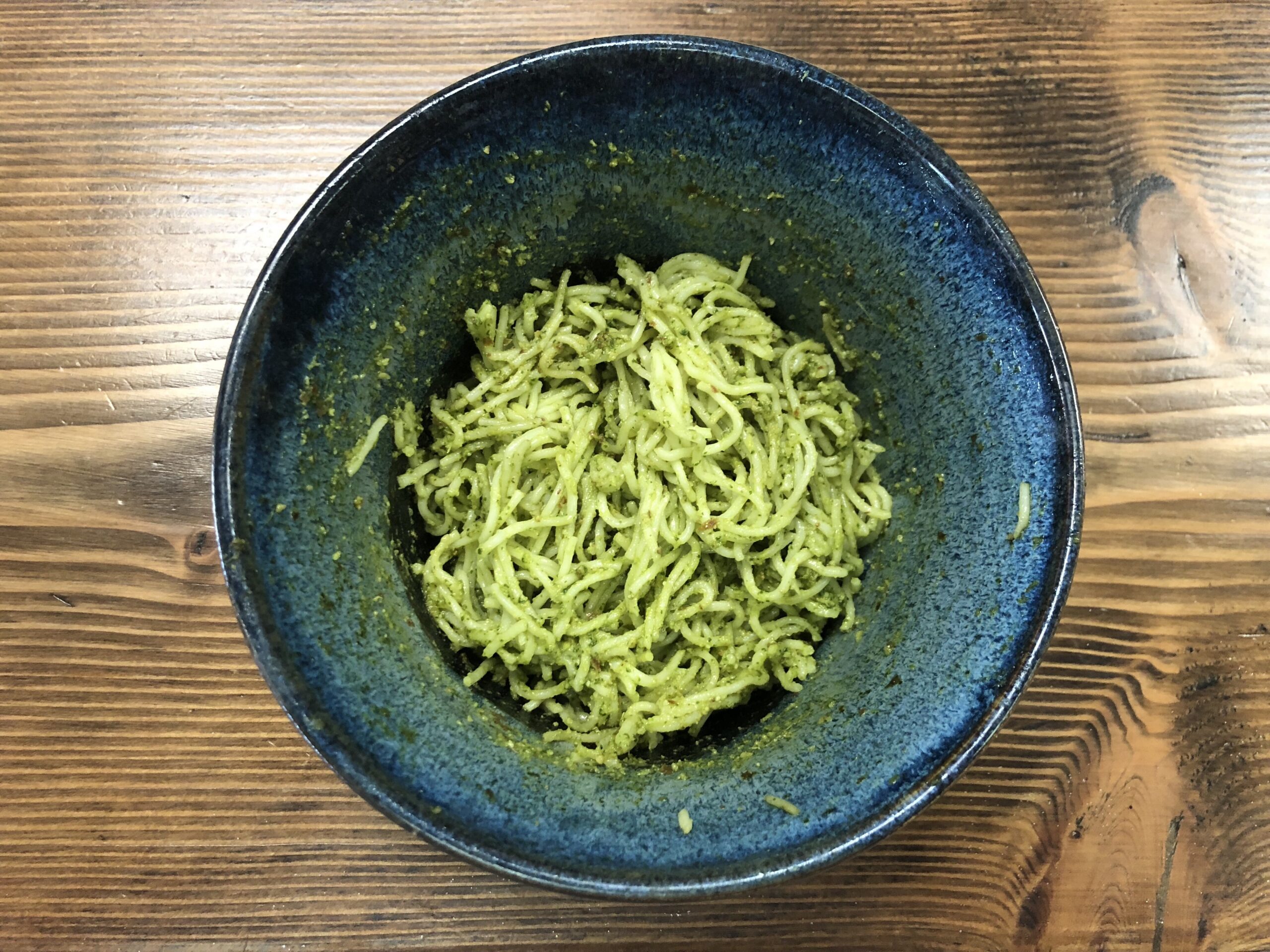
    As usual, I then tossed out the recipes and made up my own, because as Jason tells me it’s fairly against my nature to follow a recipe. It turned out pretty delicious and everyone’s eyes lit up when I said I had brought enough to share with book club goers and staff alike.
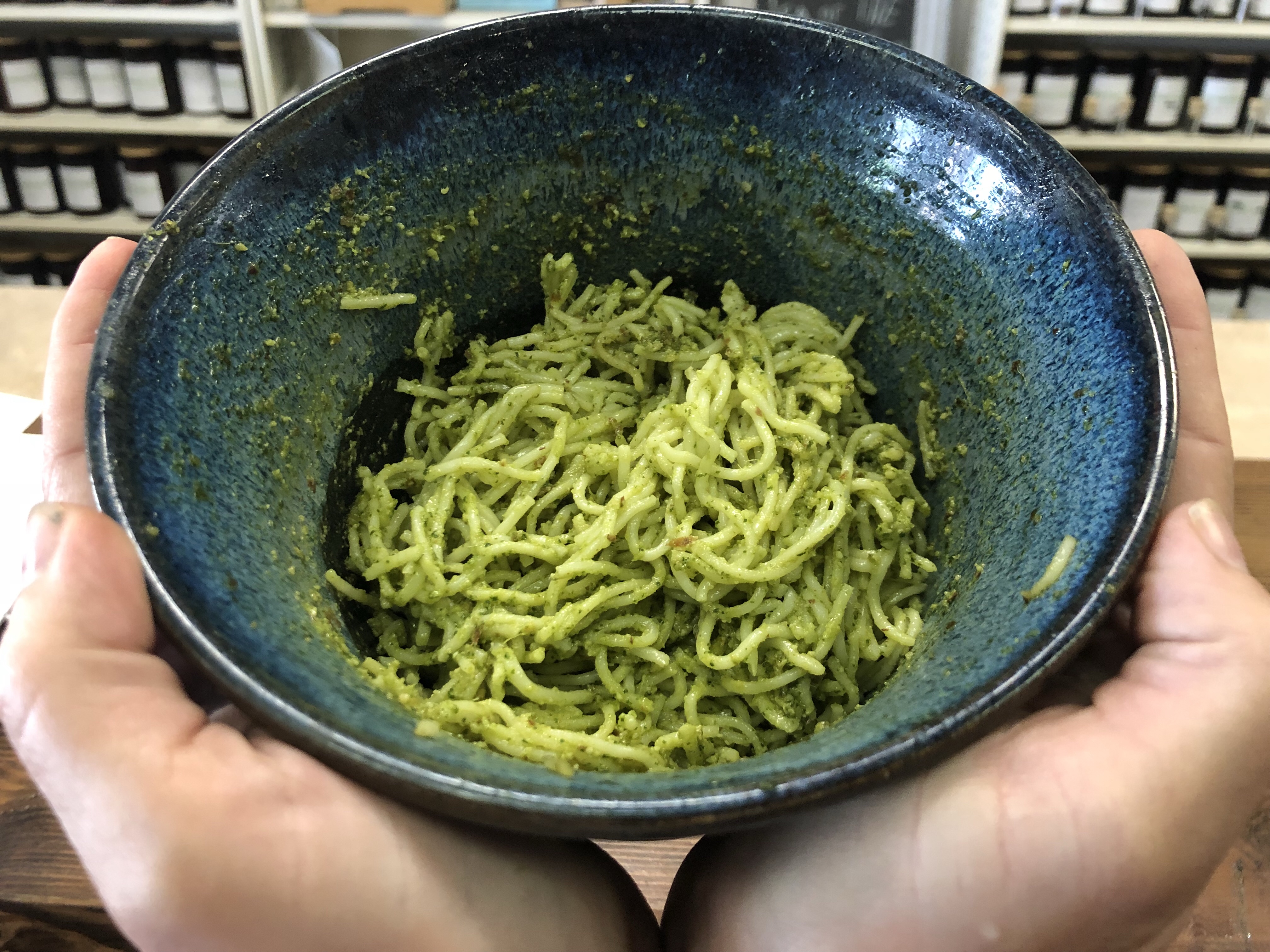

    Holy Basil (Tulsi) Pesto

    • 1 tightly packed cup of fresh holy basil
    • 1/2 cup olive oil
    • 1/4 cup chopped fresh ginger
    • 1/4 cup almonds (soaked for 20 mins or so, water discarded)
    • Juice of 1 lime
    • 1″ block parmesan cheese
    • 2 cloves garlic or 1/2t. granulated garlic
    • Salt (alder smoked) to taste
    • Black cracked Pepper to taste

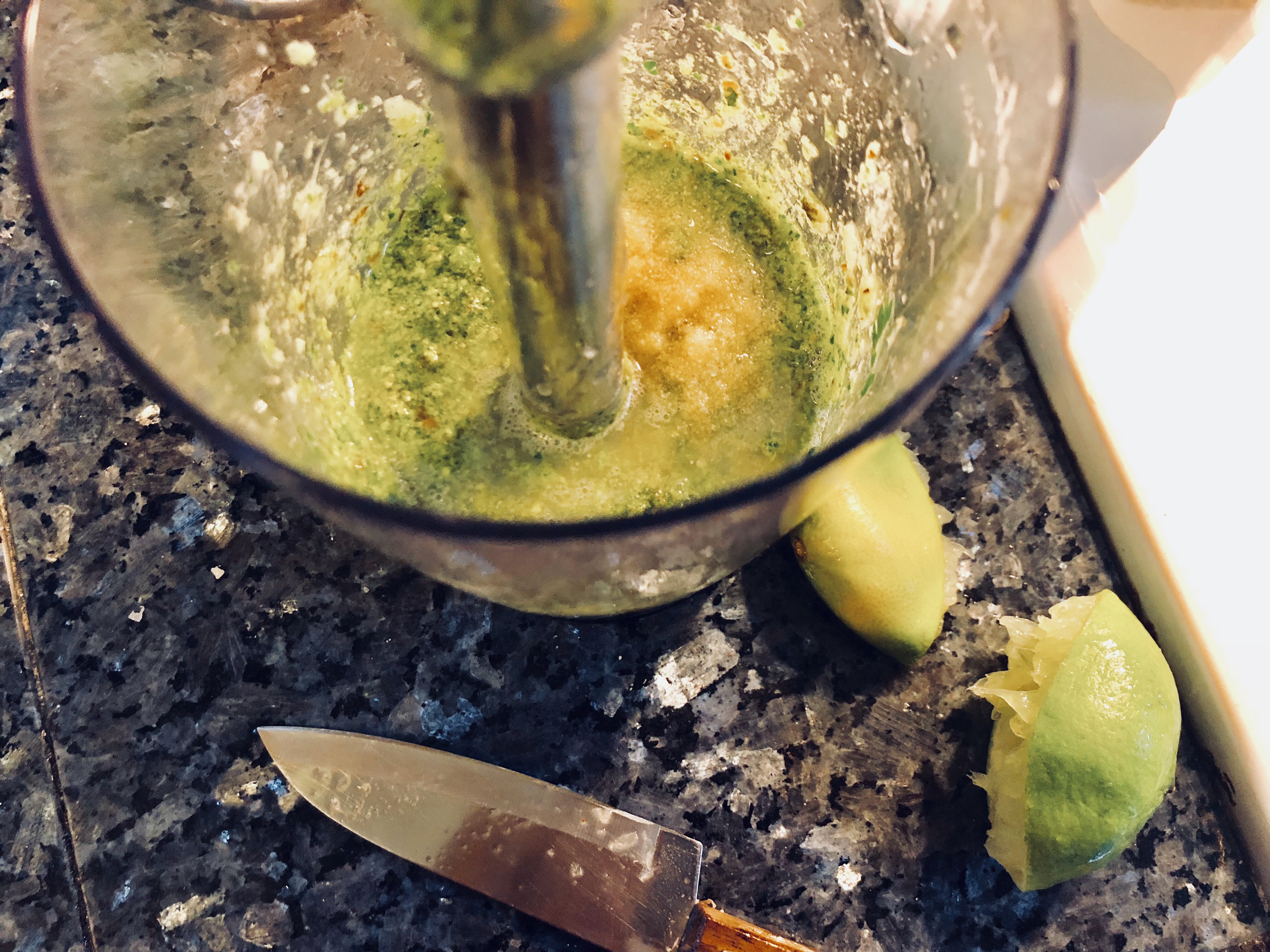
    I used an immersion blender to puree everything, but a food processor or blender would work just as well.
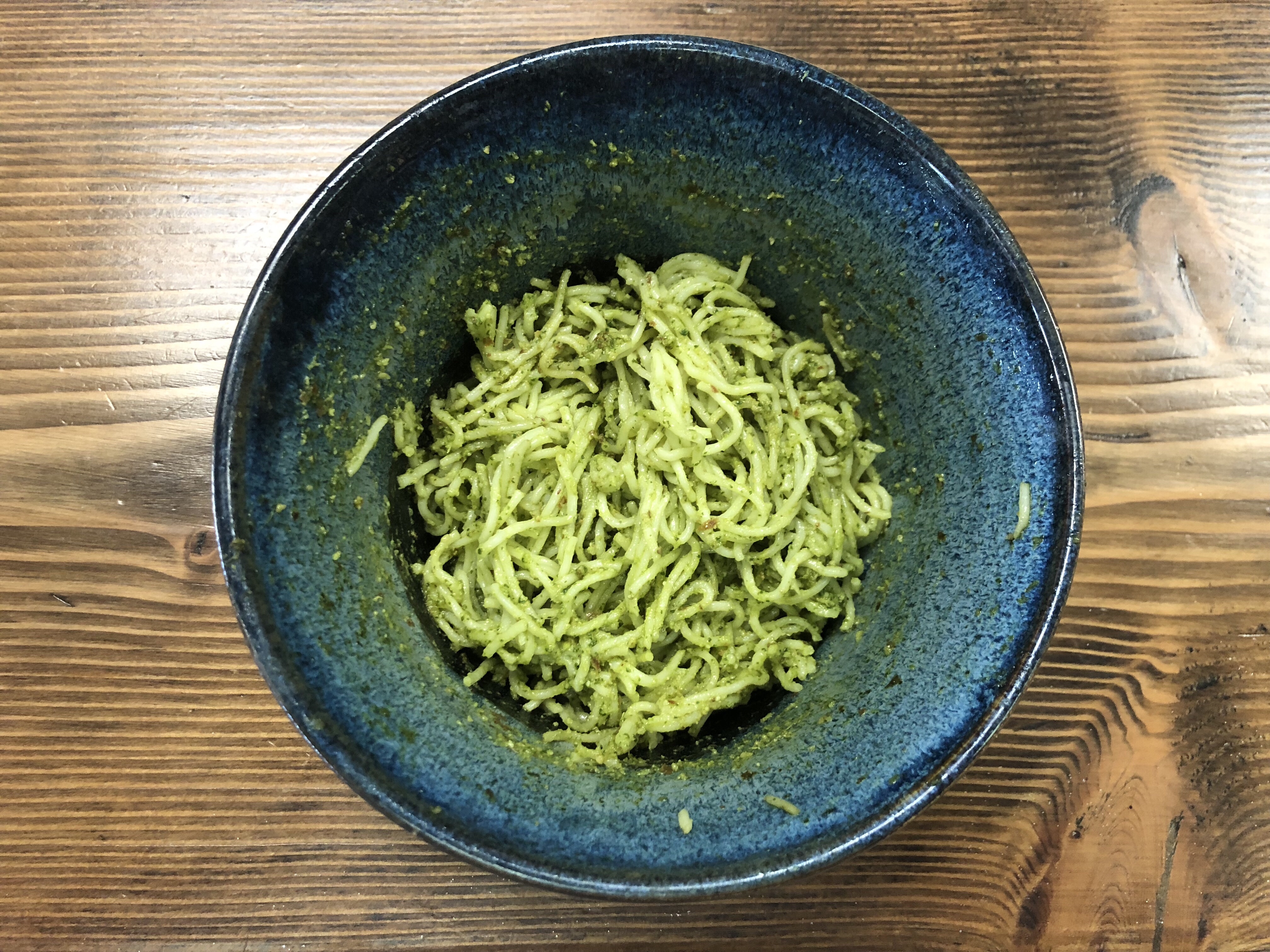
    Toss with pasta and enjoy!
     Want to join us for book club next month? We are reading Midwest Medicinal Plants by Lisa M. Rose (available in our shop) and will meet up at the shop Thursday, August 16 from 12-1pm. See our book club facebook event for all the details and to rsvp.

  • DIY garlic oil

    DIY garlic oil

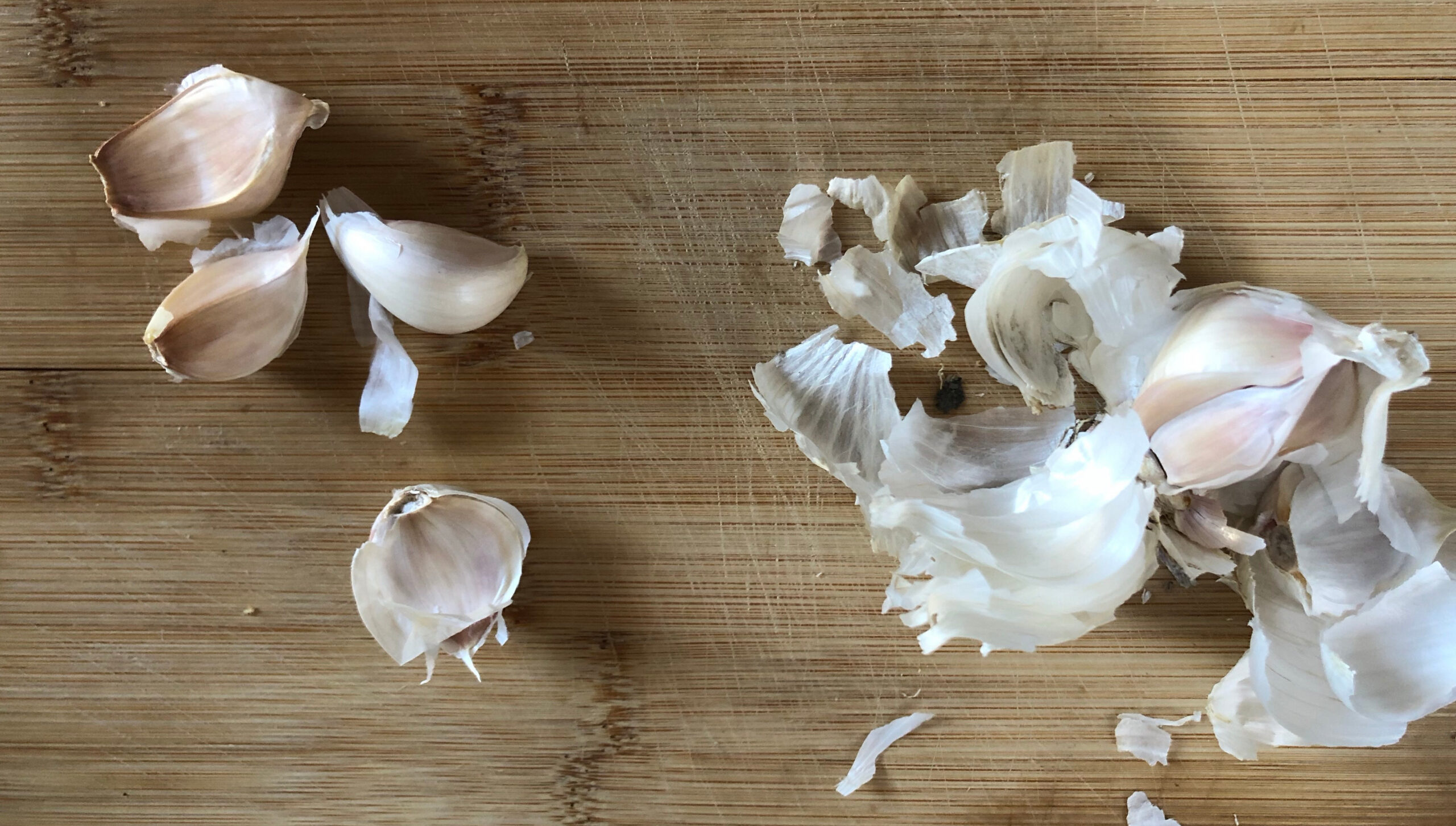
    Today I wanted to show you one of my favorite things to do with fresh garlic. As we head into the heart of summer and garlic will soon be showing up at the farmer’s market – those nice soft neck fresh bulbs – it seemed a good time.  Garlic oil is a lovely thing to keep around the kitchen and in the home apothecary cabinet.

    The best part, it’s easy. The main thing to remember is to not saute it. Low temp. Really low.

    The full recipe is at the bottom for ease of reading.

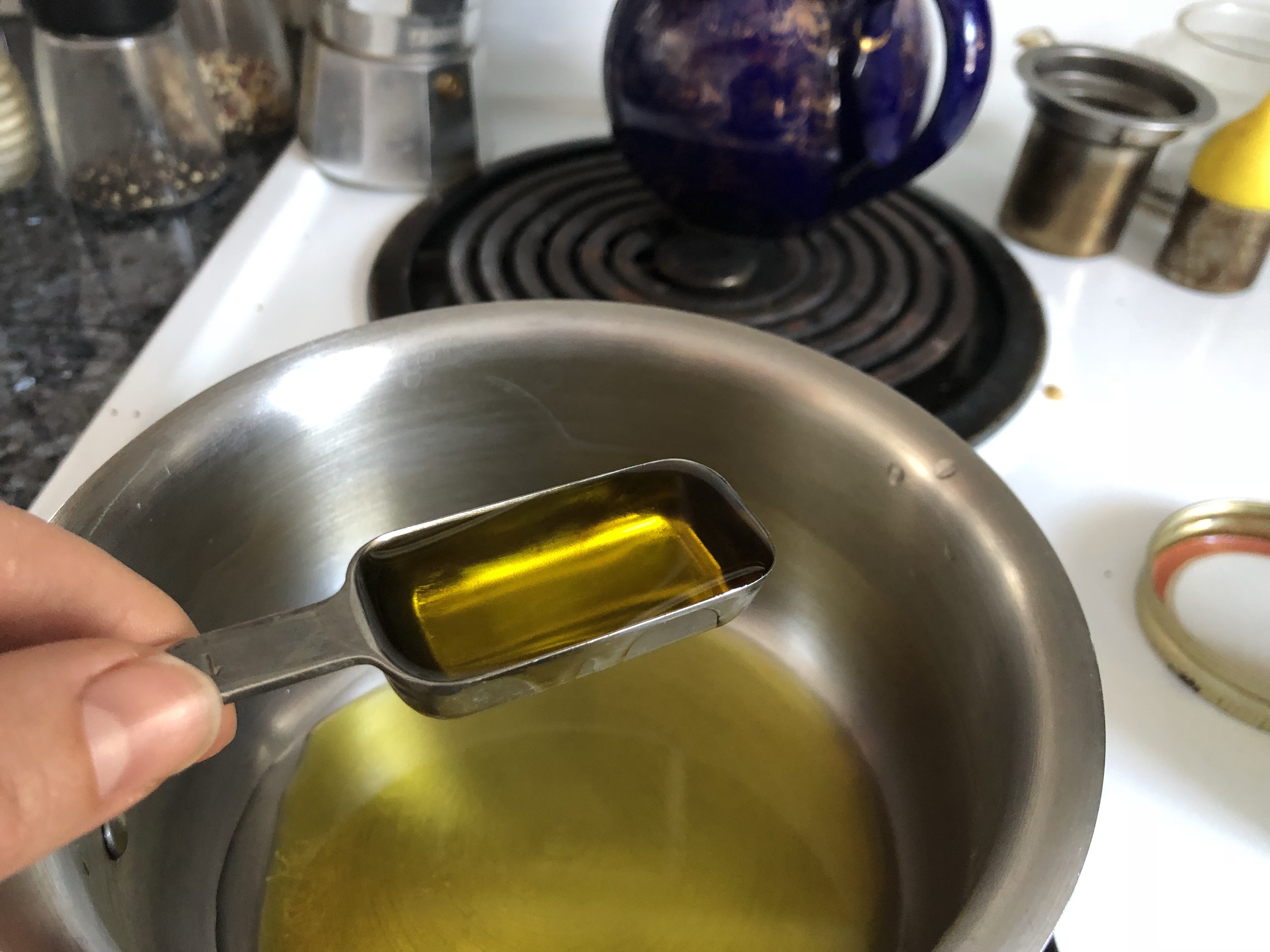
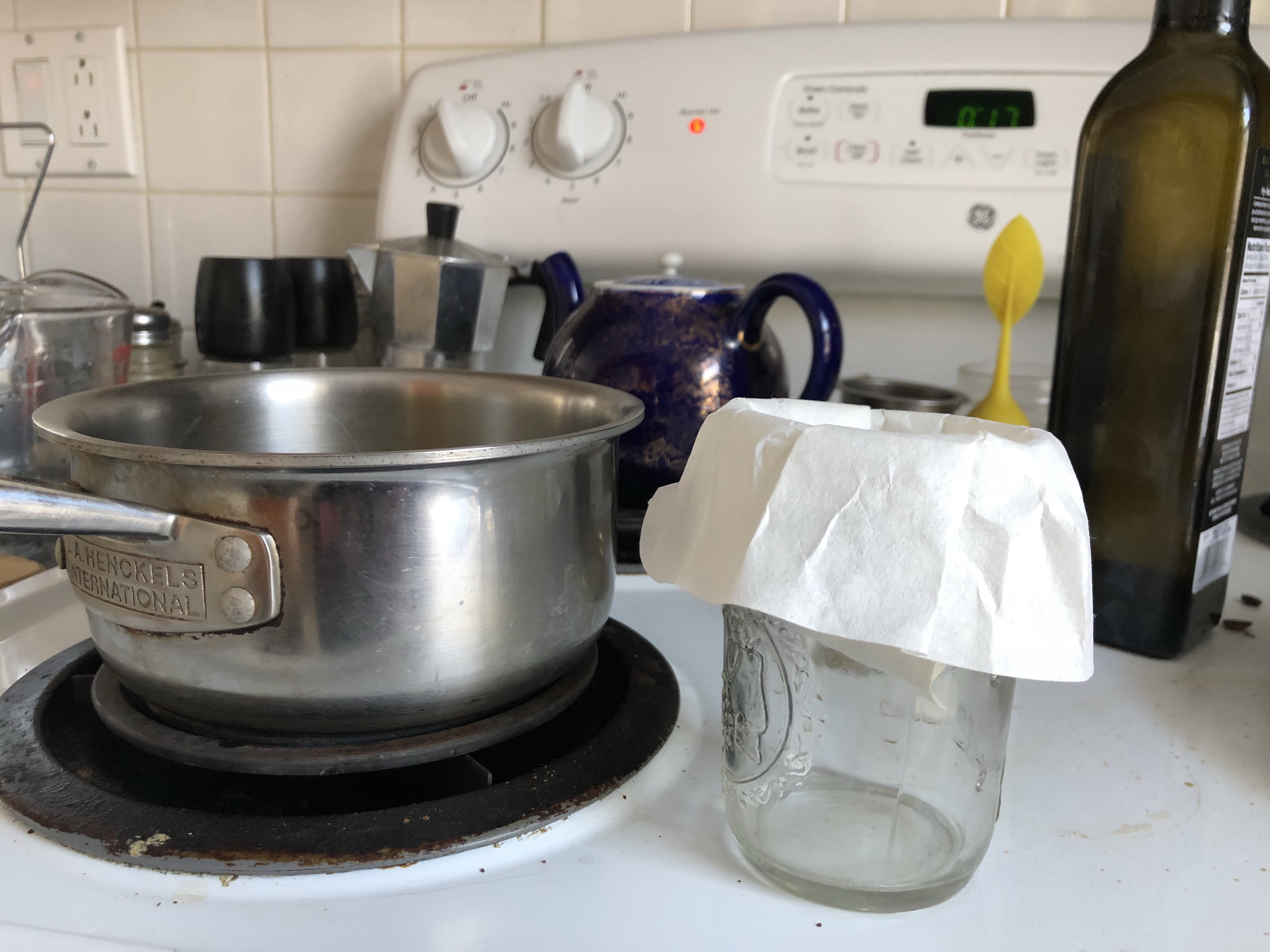
    Measure the oil.

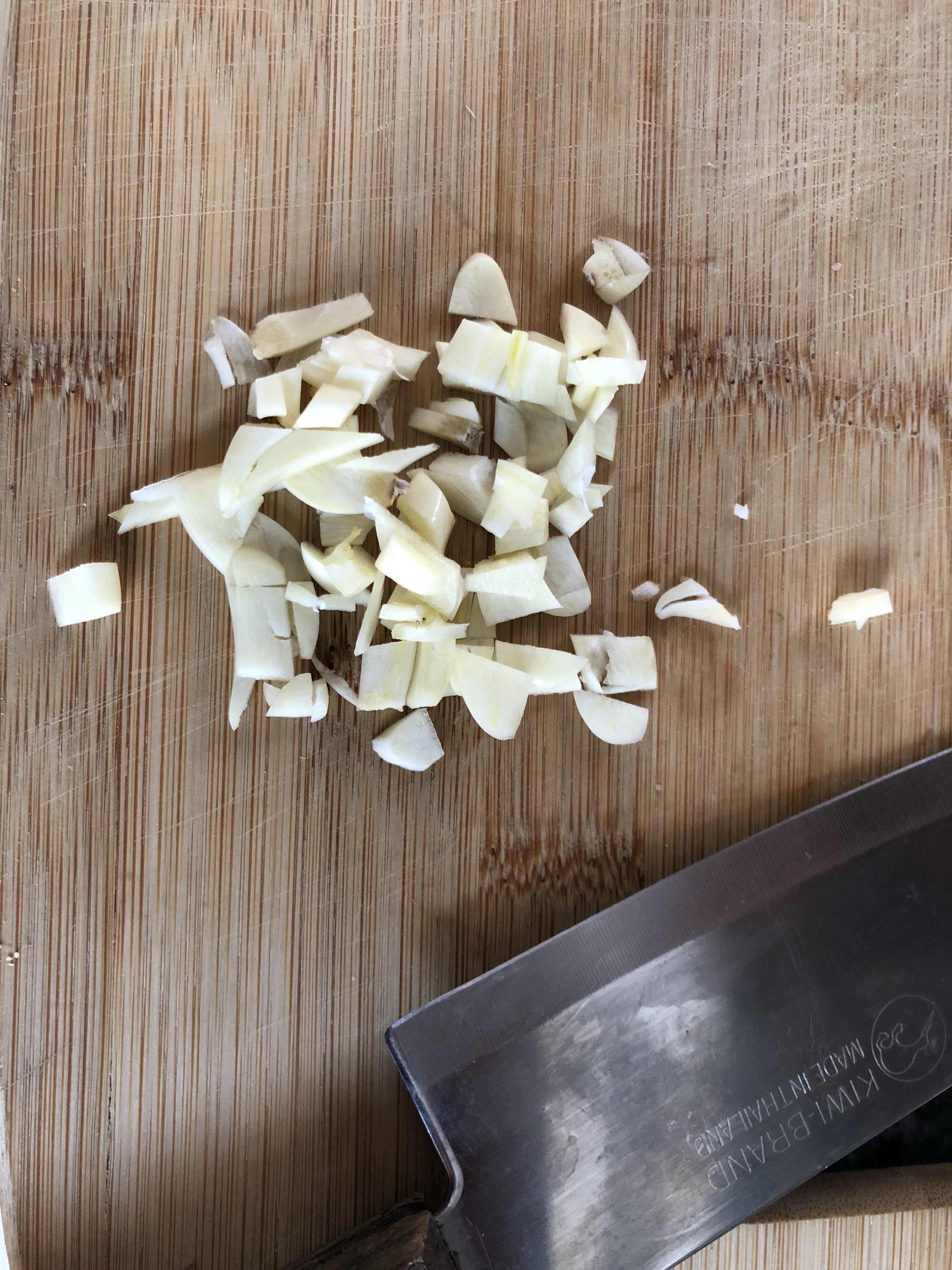
    Chop. Chop. Chop.

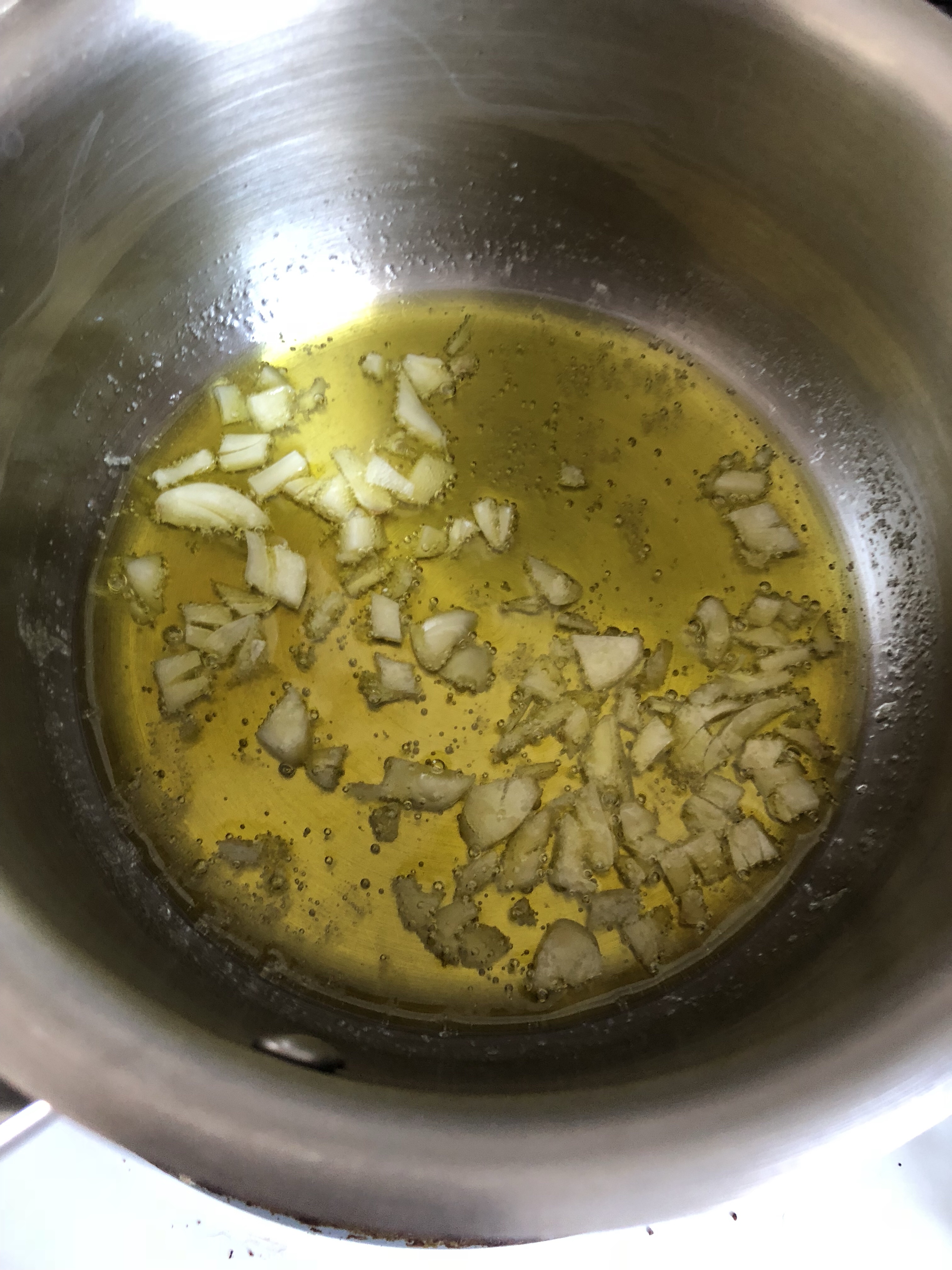
    Warm it up.

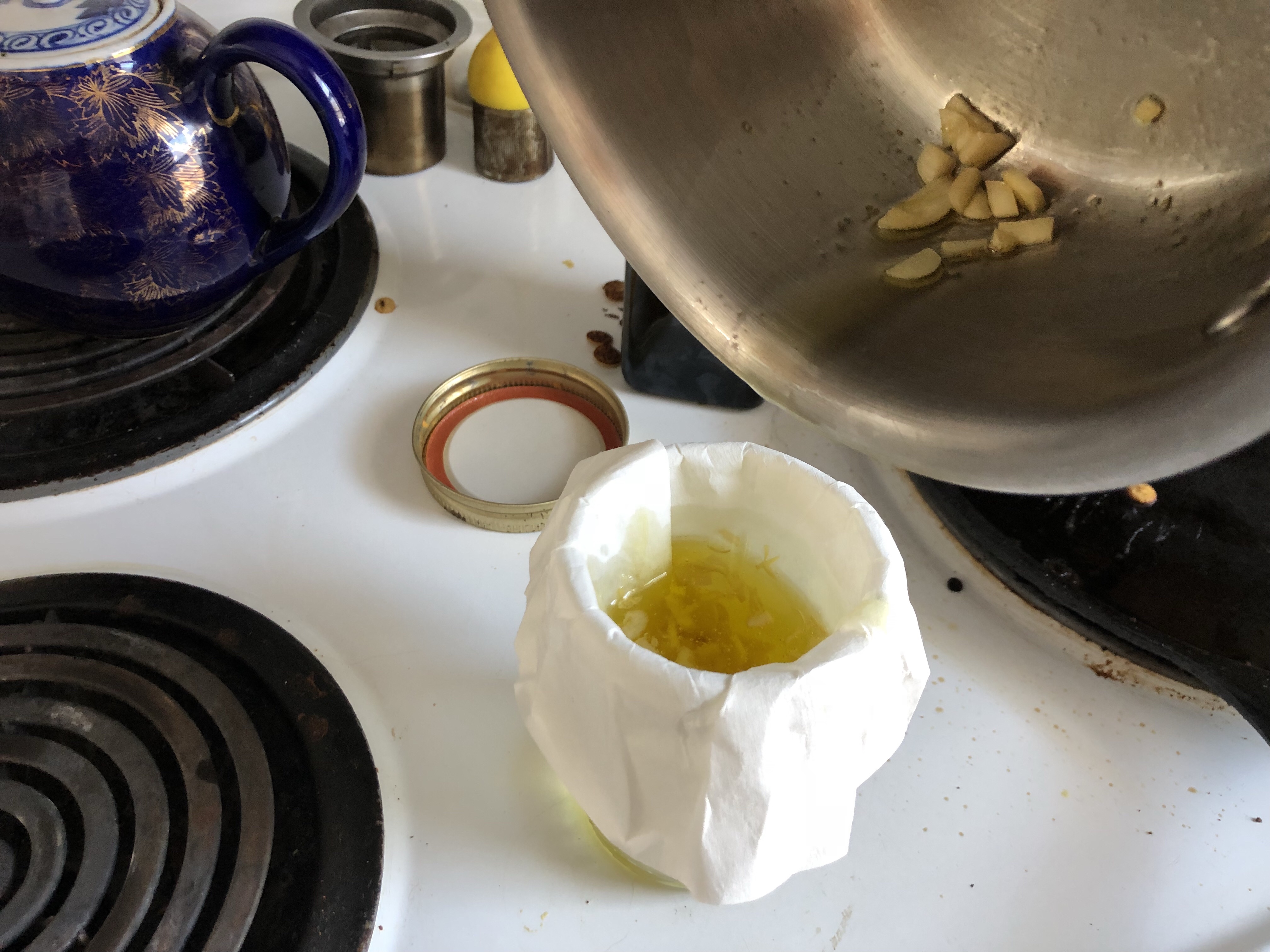
    Filter it.

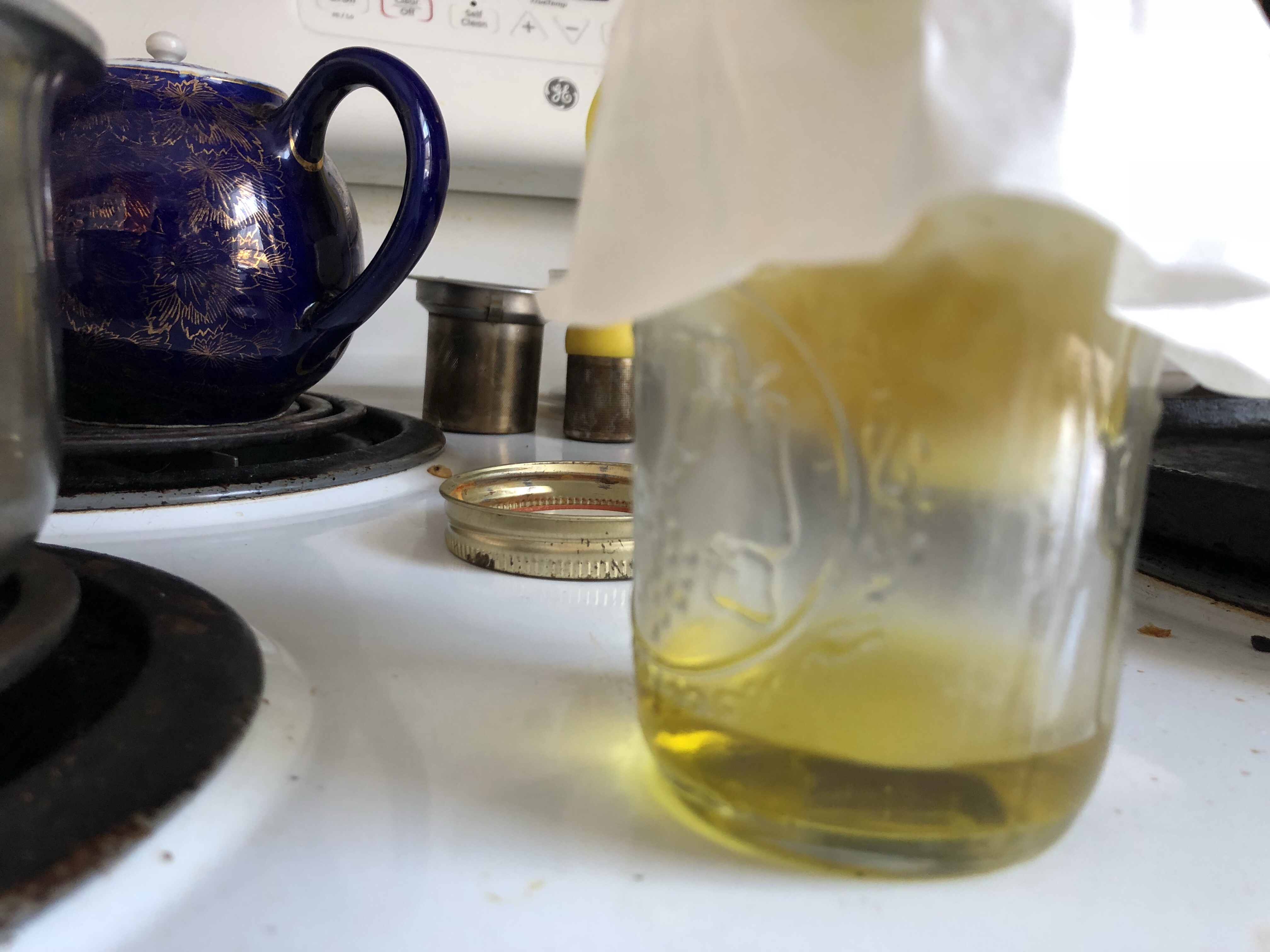
    Wait for it.

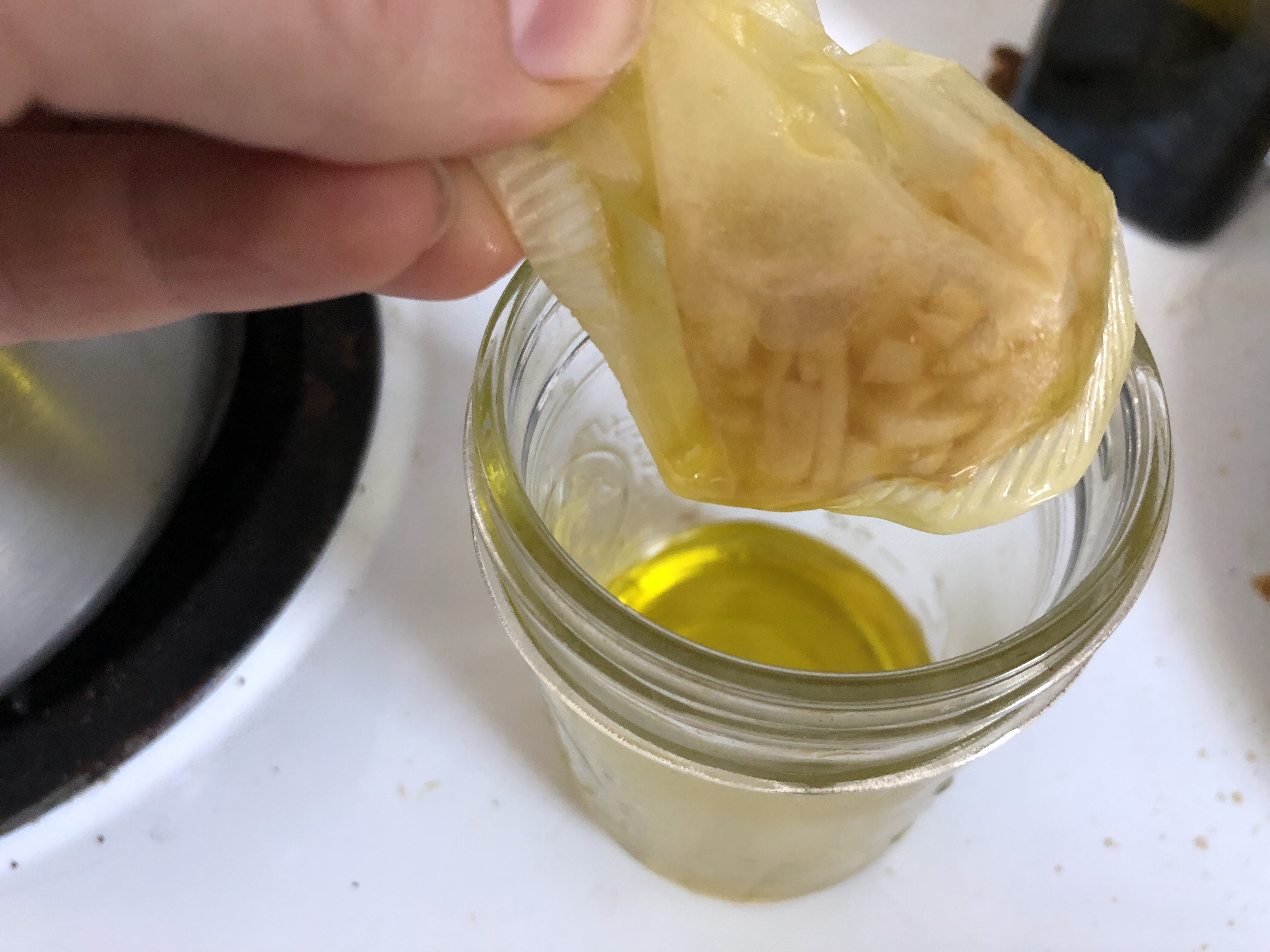
    Squeeeeeze.

    And that’s it. Here’s all the details.


    Stove Top Garlic Oil

    Ingredients & Materials

    • 4 cloves garlic
    • 4 tablespoons olive oil
    • coffee filter
    • mason jar OR brown bottle and a funnel
    • sauce pan
    • chop board and knife

    Directions

    1. Make sure all your equipment is clean and sterile.
    2. Chop up the garlic.
    3. Warm up the oil, keep it well away from browning.
    4. Cover and let it sweat for a good 20 minutes — keep that temp as low as possible.
    5. Place the coffee filter in the mason jar and strain the oil through it. It will take awhile for the oil to make it’s way through. Wash your hands thoroughly or wear gloves and then squeeze out any oil you can, making sure not to burst the filter.
    6. Discard the filter, you can save the garlic chunks and mix it into dinner if you want. Just don’t put it in the compost pile – oil is no good for compost.
    7. Lid and Label your jar with the date and what’s in it. Store it in the fridge for up to 4 days OR freeze it for up to several months.

    Think you want to store your garlic oil on the counter or in the fridge is “fine forever”… think again (I know I sure did). Here’s what the University of California says about garlic oil preparations. Yikes.

    So that my friends is the super easy way to make garlic oil for your culinary and apothecary needs. Just make sure to let it cool before it’s in contact with your skin. aka Don’t burn yourself.

    Until next time,

    Kristin M Roach